
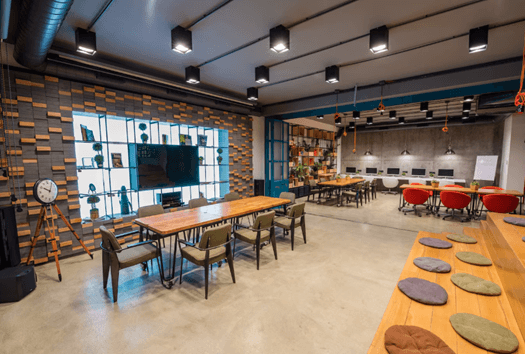
It often starts during a normal workday. Team members struggle to find quiet space for calls. Clients hesitate at the entrance, unsure where to go. Meetings feel rushed because rooms feel cramped and uncomfortable. These moments signal a deeper issue. The workspace no longer supports daily work. This is where guidance from an interior designs services company Winnipeg becomes important for businesses planning meaningful upgrades.
Workspace design is not about style alone. It shapes how people move, focus, and interact. For growing businesses, thoughtful interior planning can restore clarity and improve daily operations.
The Problem: Workspaces Stop Supporting Daily Needs
As businesses grow, spaces often stay the same. Furniture shifts. Temporary fixes pile up. Over time, layouts stop matching real work patterns.
Common problems include:
- Offices with limited natural light that affect focus
- Clinics with unclear patient movement
- Restaurants struggling with peak-hour traffic
- Franchise locations that feel inconsistent across branches
Soon, productivity drops. Frustration rises. Renovation becomes necessary, not optional.
After early planning discussions, many teams consult an interior designs services company Winnipeg to rethink how the space should function.
Why Workspace Function Matters to Businesses
A well-planned space supports people, not just operations. It helps teams work efficiently and clients feel comfortable.
Functional design improves:
- Employee movement and focus
- Client and visitor experience
- Safety and accessibility
- Long-term use of space
For facility managers and corporate teams, function also protects budgets. Poor layouts lead to rework and higher costs later.
How Interior Design Planning Improves Workflow
Interior planning starts with understanding how people use the space every day.
Design teams review:
- Entry points and circulation paths
- Desk and work zone placement
- Meeting and collaboration needs
- Storage and service areas
For example, a clinic needing better patient flow benefits from clear paths between waiting, exam, and staff areas. Offices gain productivity when quiet zones and shared spaces are balanced.
Layout planning reduces congestion and confusion.
Supporting Code Awareness and Permit Planning
Interior planning must align with building codes and permit rules. Ignoring these details causes delays and redesigns.
Design teams consider:
- Accessibility requirements
- Corridor widths and exits
- Lighting and ceiling clearances
During feasible interior designs Winnipeg planning, code awareness ensures layouts meet approval standards from the start. This saves time and prevents costly changes mid-project.
Material Choices That Support Daily Use
Materials affect more than appearance. They impact durability, safety, and maintenance.
Smart material planning focuses on:
- Flooring suited for foot traffic
- Wall finishes that handle wear
- Lighting that reduces glare
A restaurant renovating for higher traffic needs durable finishes. Offices benefit from lighting that supports long work hours. Clinics require surfaces that support cleanliness.
Material choices directly affect how long a space works without issues.
Keeping Timelines and Budgets Under Control
Functional design supports realistic timelines. Clear layouts reduce revisions during construction.
Design coordination helps by:
- Finalizing layouts before work begins
- Reducing last-minute changes
- Supporting smoother project schedules
Franchise operators benefit from repeatable layouts across locations. This keeps costs predictable and timelines consistent.
Later in planning, feasible interior designs Winnipeg also help teams balance needs with budget limits.
Actionable Takeaways for Business Teams
Businesses planning renovations should consider:
- How people move through the space daily
- Where delays or confusion occur
- Which areas need flexibility for growth
- How codes and permits affect layouts
Simple planning steps early lead to smoother projects later.
Why Choose Us
Iris Construction Management supports interior planning with a strong focus on function, coordination, and build-ready layouts. The team aligns space planning with construction realities, code awareness, and clear project coordination. This approach helps businesses move from planning to execution with fewer delays and better outcomes.
Conclusion
A workspace should support people, not slow them down. When planning focuses on movement, light, safety, and daily use, the space begins to work again. Partnering with an interior designs services company Winnipeg allows businesses to rethink how layout decisions shape daily operations. With guidance from Iris Construction Management, well-planned renovations can reshape how teams work, meet, and grow—without unnecessary disruption.
FAQs
1. How does interior design improve workspace function?
Interior design improves workflow by planning layouts, circulation paths, lighting, and work zones around daily business activities.
2. When should a business involve an interior design services company?
Businesses should involve design support early, before construction starts, to avoid layout changes and reduce future delays.
3. How does interior planning help offices and clinics differently?
Offices focus on productivity and focus areas, while clinics prioritize clear patient flow and privacy within the layout.
4. Can interior design help control renovation costs?
Yes. Clear layout planning reduces rework, prevents changes during construction, and supports accurate budgeting.
5. Why is building code awareness important in interior design?
Code awareness ensures layouts meet safety and accessibility rules, helping projects pass inspections without delays.