
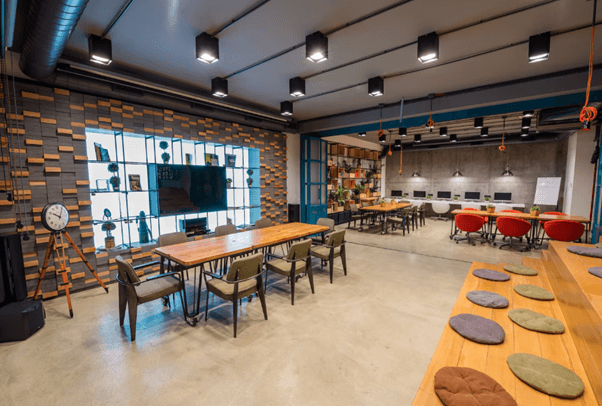
It’s Friday night, and your restaurant is buzzing. Yet, something feels off. Servers constantly dodge crowded aisles, guests linger too long waiting for seating, and the kitchen struggles to keep up with orders. What seems like a simple traffic jam is actually a sign of a layout that’s not optimised for operations. For many restaurant owners, these frustrations point to a need for professional design solutions. Winnipeg Commercial Interior Design Services can transform your space into one that works efficiently for staff while delivering an exceptional experience for customers.
Recognizing Customer Flow Issues
Poor restaurant layouts are more common than you might think. Narrow pathways, congested entryways, and poorly positioned tables can create bottlenecks that impact service speed and guest comfort. Signs that your restaurant layout may need improvement include:
- Guests waiting even when tables are available
- Staff repeatedly crossing paths or backtracking
- Congestion around restrooms, service stations, or entrances
- Difficulty accommodating peak-hour traffic smoothly
Working with Feasible Interior Designs Winnipeg allows you to address these issues proactively, ensuring your restaurant operates efficiently even during busy periods.
Why Layout Optimization Matters
A functional layout isn’t just about aesthetics; it directly affects workflow, safety, and customer satisfaction. When circulation is smooth, servers can deliver orders efficiently, guests navigate the space with ease, and the overall dining experience is enhanced.
Professional Winnipeg Commercial Interior Design Services focus on balancing operational efficiency with comfort and style, creating spaces that meet both functional and aesthetic goals.
Key Strategies for Effective Restaurant Layouts
1. Streamlining Traffic Flow
Mapping staff and customer movement identifies congestion points. Adjusting table placement, creating clear pathways, and separating service and dining routes help staff work efficiently without disrupting guests.
2. Defining Functional Zones
Zoning your space into waiting, dining, and service areas reduces bottlenecks. For franchise locations, consistent zoning across branches ensures staff can quickly adapt to any location.
3. Maximizing Seating While Maintaining Comfort
Designers plan seating layouts to optimise capacity without compromising guest comfort. Accessibility for all customers is also prioritised, ensuring compliance with regulations.
4. Enhancing Lighting and Ambiance
Lighting affects both visibility and mood. Designers use a combination of natural and artificial lighting to make spaces inviting, highlight key areas, and support operational efficiency.
5. Choosing Durable, Practical Materials
High-traffic areas demand materials that withstand daily wear while remaining easy to clean. Flooring, walls, and furniture are selected for durability, hygiene, and long-term maintenance efficiency.
Actionable Takeaways
- Map current customer and staff movement to identify congestion points
- Create functional zones to separate dining, waiting, and service areas
- Optimise seating layouts for comfort and accessibility
- Balance aesthetics with workflow, lighting, and operational needs
- Engage Winnipeg Commercial Interior Design Services early to ensure efficient planning, permit compliance, and smooth project execution
When these strategies are implemented, restaurants can create an environment that supports staff efficiency, reduces stress, and delivers a superior customer experience.
Conclusion
A restaurant’s interior layout is more than decoration, it’s a tool for enhancing service efficiency and guest satisfaction. By working with Feasible Interior Designs Winnipeg and professional Commercial Interior Design Services, restaurant owners can optimize every aspect of their space, from traffic flow and seating to lighting and material selection.
Iris Construction brings expertise in planning, construction, and design coordination to ensure your restaurant not only looks great but functions seamlessly. A well-designed space turns daily operations into a smoother, more enjoyable experience for both staff and customers.
FAQs
1. How can commercial interior design improve restaurant customer flow?
By analyzing movement patterns of guests and staff, designers can create clear pathways, reduce congestion, and optimize seating arrangements, ensuring a smoother dining experience and faster service.
2. What role do Winnipeg Commercial Interior Design Services play in restaurant renovations?
These services provide expert space planning, material selection, lighting solutions, and zoning strategies to improve workflow, guest comfort, and operational efficiency.
3. How do designers balance aesthetics with functionality in a restaurant layout?
Designers consider guest experience, staff workflow, accessibility, and safety, while incorporating visual appeal through lighting, décor, and cohesive interior styling.
4. When should I hire Feasible Interior Designs Winnipeg for my restaurant project?
Engage designers early in the planning stage to optimize layouts, manage permits, select durable materials, and coordinate construction schedules, minimizing disruptions during renovations.5. Can interior design help improve franchise restaurants consistently across multiple locations?
Yes. Professional design services ensure uniform layouts, functional zones, and operational standards across branches, making it easier for staff to adapt and deliver consistent customer experiences.