
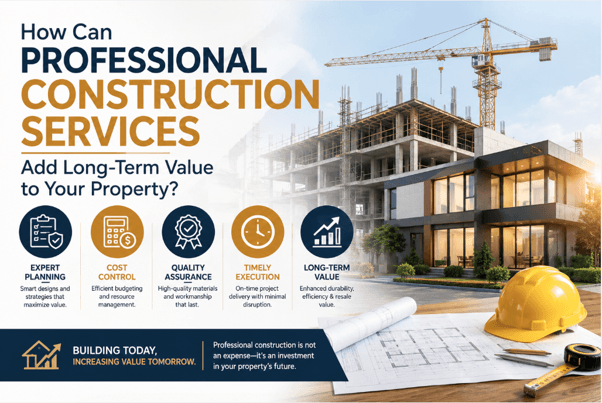
A successful construction project is not measured only by the final appearance of a building. True value comes from how efficiently it operates, how well it performs over time, and how effectively it supports future needs. With Commercial Construction Services Winnipeg, property owners can make informed decisions that reduce risks, control costs, and create spaces designed for long-term performance.
Strategic Pre-Construction Planning Prevents Costly Problems
Many construction challenges are created before the first day of work begins. Poor planning, inaccurate estimates, and overlooked site conditions can lead to delays, budget increases, and unnecessary revisions during construction.
Professional teams begin with detailed pre-construction planning that includes feasibility studies, site assessments, cost estimation, quantity takeoffs, and risk evaluation. These processes help determine the realistic requirements of a project before resources are committed.
A constructability review is another important step that evaluates whether a design can be built efficiently within the proposed budget, timeline, and site conditions. For example, an office expansion may require additional electrical capacity, HVAC adjustments, or structural modifications that are not obvious during the initial design stage.
Identifying these factors early allows property owners to make smarter decisions and avoid expensive surprises later.
Cost Control Through Value Engineering and Project Management
Construction budgets can quickly become challenging when decisions are made without proper analysis. Material changes, design adjustments, and unexpected site issues can create additional expenses if they are not managed correctly.
Professional construction management uses value engineering to find cost-effective solutions without reducing quality or functionality. This process focuses on improving efficiency, selecting suitable materials, and maximizing the overall value of the investment.
Strong project management also includes critical path scheduling, procurement tracking, and subcontractor coordination. These processes help ensure that every stage of construction moves according to the approved timeline.
For example, if electrical work is delayed in a commercial project, it can impact drywall installation, flooring, inspections, and final occupancy. Proper coordination helps prevent these delays and keeps the entire project moving efficiently.
Through Commercial And Residential Construction Services, property owners receive structured support that improves communication, controls expenses, and maintains project quality from start to completion.
Quality Assurance Creates Better Long-Term Performance
A building’s long-term value depends on the quality of work completed during construction. While finishes and appearance matter, the hidden details often determine how well a property performs over the years.
Professional construction teams focus on quality assurance inspections throughout each phase of the project. This includes reviewing installation standards, verifying materials, monitoring workmanship, and ensuring compliance with building requirements.
For example, incorrect waterproofing, poor mechanical installation, or improper electrical coordination can result in expensive maintenance issues after project completion. Quality inspections help identify these concerns before they become costly repairs.
Deficiency management is also an important part of professional construction. Before handover, teams review completed work, address outstanding issues, and ensure the property meets expected standards.
This attention to detail protects the owner’s investment and helps create a building that performs reliably for years.
Future-Ready Construction Supports Long-Term Growth
A valuable property should support more than today’s requirements. Businesses grow, technology changes, and operational needs evolve. Construction decisions should consider future flexibility instead of focusing only on immediate completion.
Modern construction planning evaluates factors such as adaptable layouts, energy efficiency, technology infrastructure, and operational requirements. A commercial office, for example, should be designed to support future employee growth and changing workplace needs.
Retail properties also require strategic planning. Customer movement, storage requirements, lighting systems, and service areas must be considered to create an efficient environment that supports business performance.
Professional construction teams also focus on proper commissioning and handover processes. This ensures building systems operate correctly and property owners understand how to maintain their investment after completion.
Building With Expertise, Planning, and Accountability
Choosing a construction partner is a major decision because the outcome affects your property’s value, usability, and future potential. A reliable team brings more than labour and materials. They bring planning expertise, technical knowledge, and a process designed to reduce risk.
At Iris Construction Management Inc., we help property owners navigate every stage of construction with careful planning, strong communication, and professional project execution. Our approach combines industry knowledge with practical solutions to create spaces built for long-term success.
Connect with Iris Construction Management today to develop a construction strategy that protects your investment and supports your goals.
Final Remarks
Professional construction services create value far beyond completing a building. They help property owners manage risks, control costs, improve quality, and prepare spaces for future growth.
From pre-construction planning and value engineering to quality assurance and final handover, every stage influences the success of a project. When experienced professionals manage these details, businesses can move forward with confidence.
The right construction approach does not simply create a finished property. It creates a long-term asset that continues delivering value.
Frequently Asked Questions
1. Why is pre-construction planning important?
Pre-construction planning identifies risks, improves budgeting accuracy, and creates a clear roadmap before construction begins.
2. What is value engineering in construction?
Value engineering improves project efficiency by finding cost-effective solutions while maintaining quality, performance, and functionality.
3. How does construction management control project delays?
Construction management improves scheduling, trade coordination, communication, and problem-solving throughout the entire project.
4. Why are quality inspections important during construction?
Quality inspections identify issues early, ensure standards are met, and help prevent expensive repairs after completion.
5. What makes a construction project future-ready?
Future-ready construction includes flexible designs, efficient systems, technology planning, and layouts that support changing business needs.